WARM CONTAINER
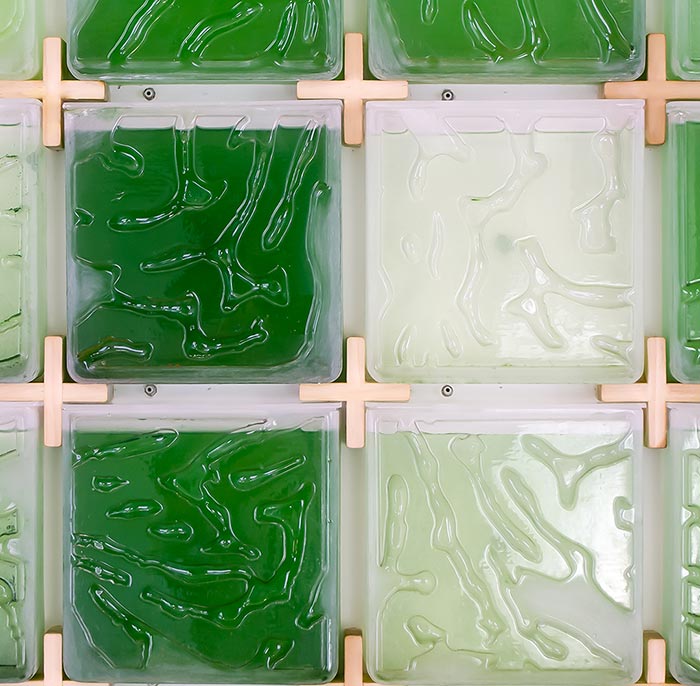
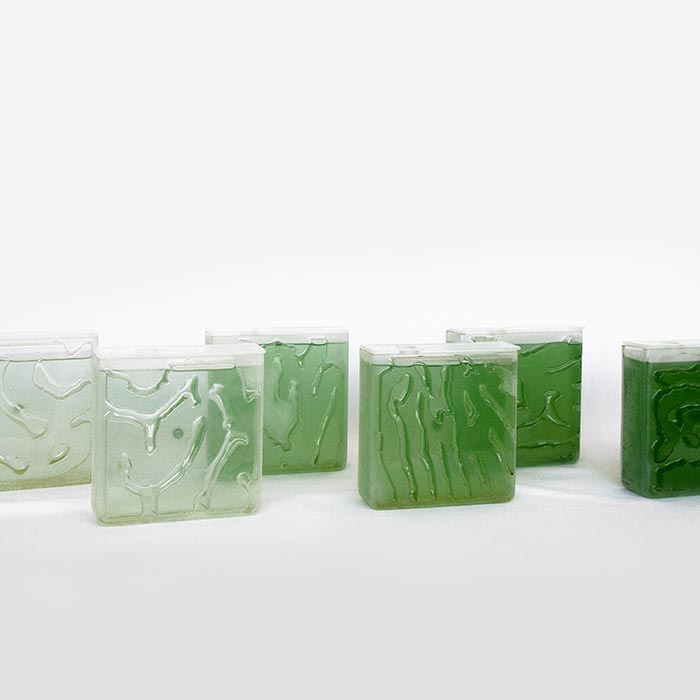
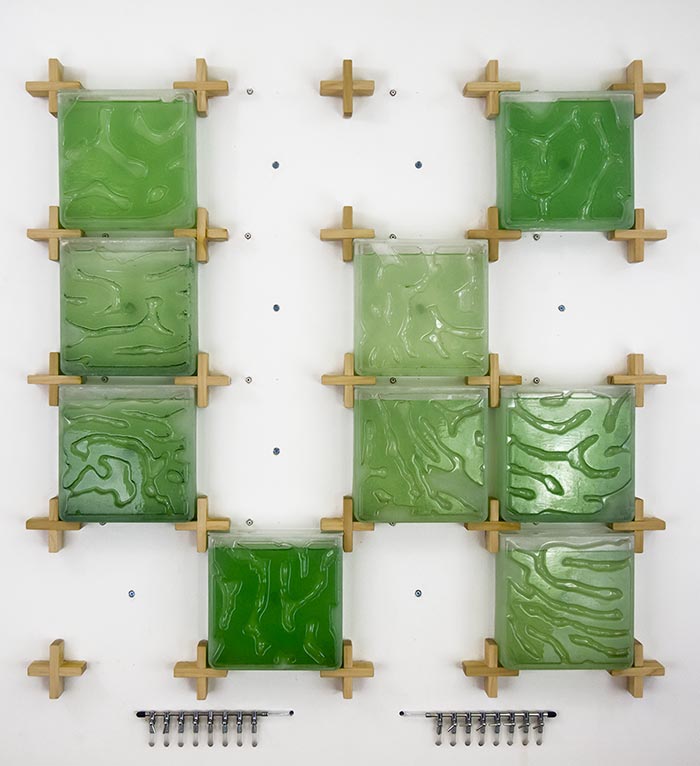
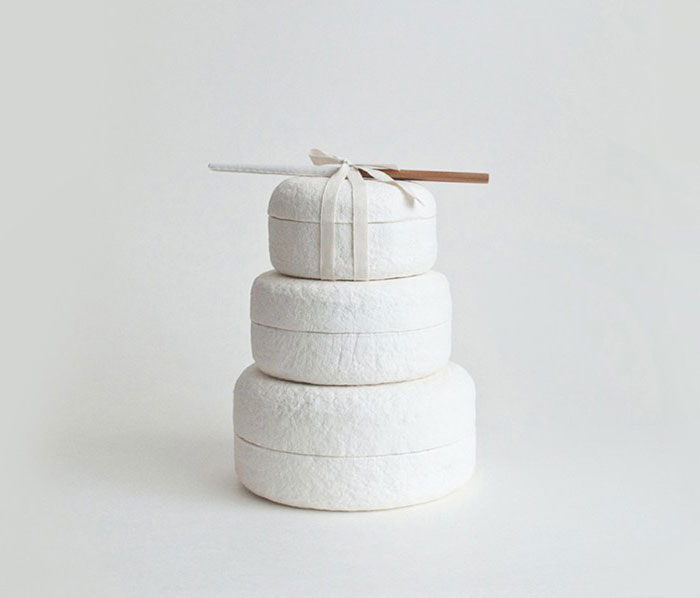
Lunch box / Hanji(Korean Traditional Paper) / 2011. autumn / self-production / Seoul, Korea
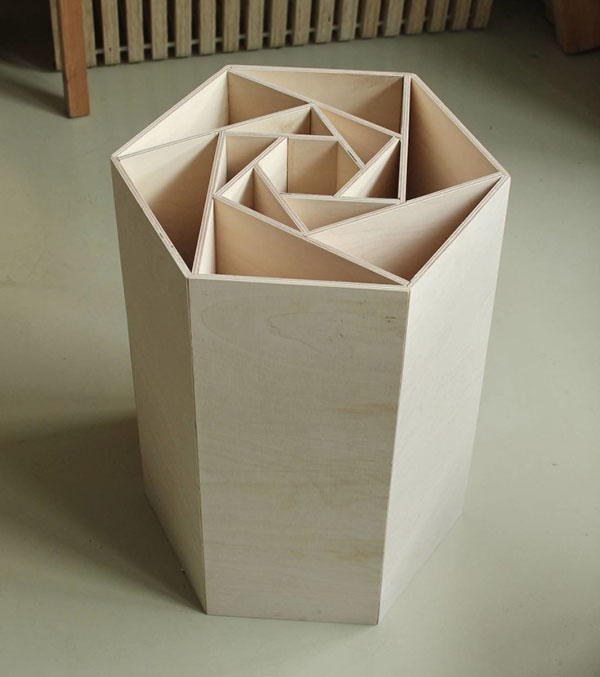
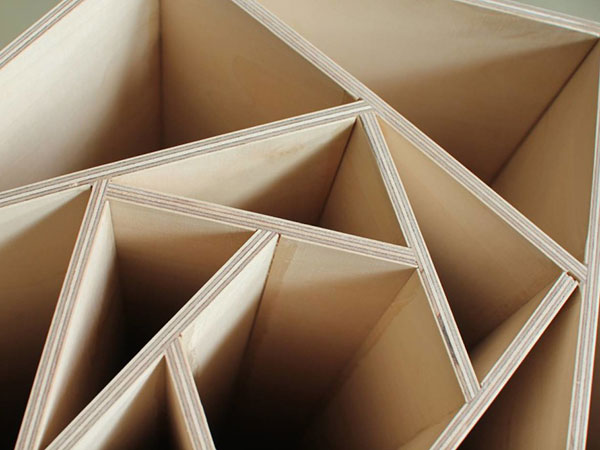
The warm container is designed as a lunch-box. When I was young I used to bring my lunch to school everyday. Most mothers in Korea, they had to prepare lunches everyday early in the morning for all those years through their children’s high school time. The Korean traditional paper ‘Hanji’ is soft and tender material but strong like a mother. I chose this material to illustrate the feeling of the warmth. I add- ed a layer of gauze on the casting process to give a touch of handicraft.
OPENNESS musicbox _ ECAL × REUGE
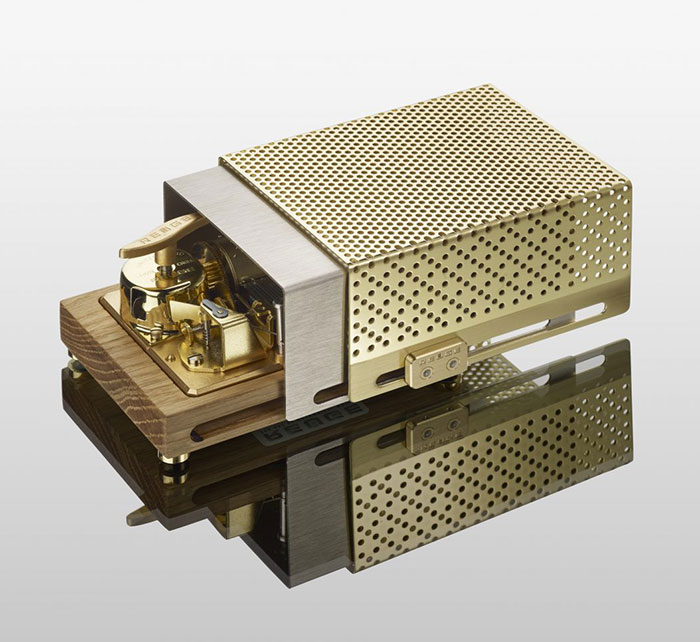
music box / brass, stainless steel, white oak / 2015.winter / @ECAL, Switzerland / selected project by REUGE / studio photo by ECAL, Younès Klouche
ECAL × REUGE
Opening a door to music to discover a beauty.
Music boxes are often closed and the movement inside is not easily seen. Fascinated by the hidden mechanism under the box. The concept of this work is to show more of the beautiful mechanism and allow customers to have a playful music box. There are two metal pieces that cover the movement and protect it.
These covers slide in one direction from one end to the other or in the opposite direction. Under these covers, you will discover a golden-colored 36 note musical movement sat on oak. The graphics on the first cover, made with holes, allow you to see the second cover and create a dynamic object with an overlay of colors and materials.
NOWHERE
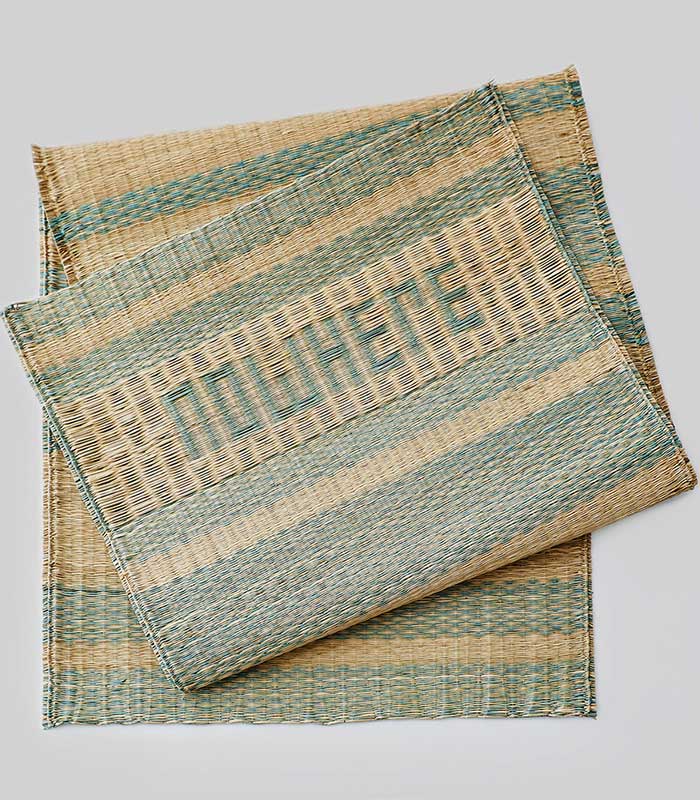
rush, hemp, wood / 2017.summer
collaboration with Nguten Thi Rhung & Tran Thi Trien / studio photos by Jandee Kim
I’ve been working with Nguyen Family in Triem Tay village, Vietnam for few years. They are specialized in making a traditional sleeping mat with the rush that grows near their house. My project for TypoCraft Helsinki’17 starts with a small hanging mat that they gave me as a New Year’s Day gift. We’ve been developing some other patterns together ever since and they came up with an idea of weaving words on the mat.
It was a special moment to realize that we all get inspired from one another in the process of making something beautiful together. In order to form the typeface on the mat, Nguyen family and myself decided to use the warp and the weft and hence the upper case and the lower case have all been mixed up. The word “NOWHERE” can either be read as “no where” or “now here.” In any cases, it will show the state of your mind.
NEW ONGGI tableware
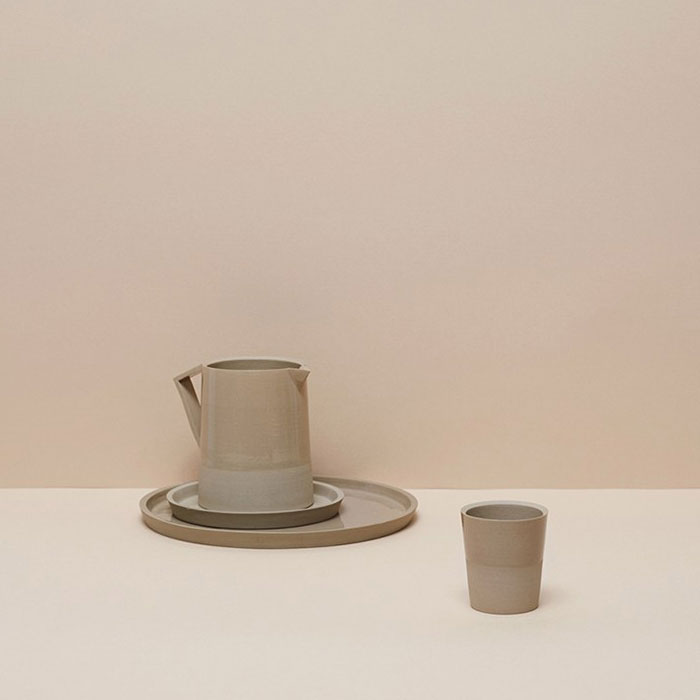
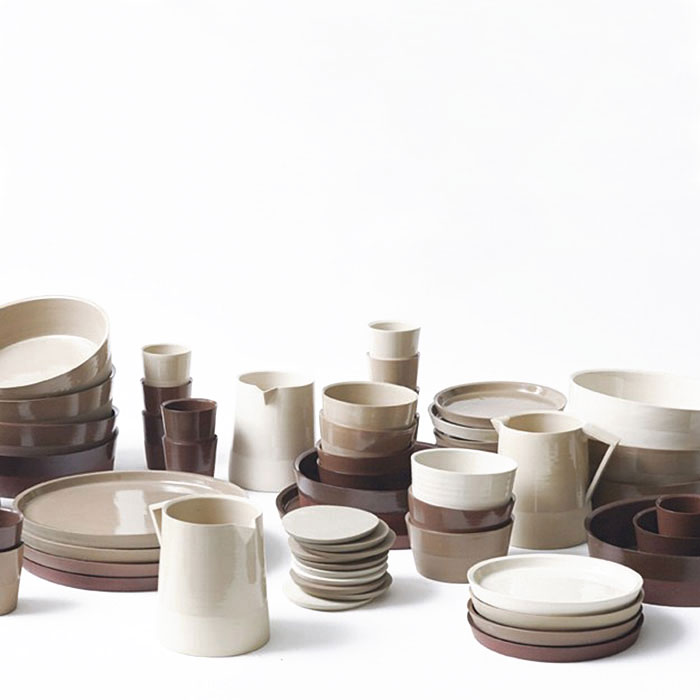
Earthenware, Stoneware, Half glazed, Baked in electronic-kiln / 2014.summer / thrown-wheel by ceramic artist Wondong Shin / Icheon, Korea / studio photos by Jandee Kim
The goal of the project was to create a collection of tableware by using the mixture of two different properties of soils. Onggiware(Korean traditional pottery) is commonly used to store foods in the past in Korea. Traditionally, it was made out of the earth, deep in the lye and baked in the fire in the earthen-kiln for days.
As a result, each piece shows unexpected patterns with varying colors and textures. I was inspired by the variety of sense in pottery from the traditional method. The natural tones of colors were regenerated by mixing two different soils in a modern approach.
CLEAN SOAP
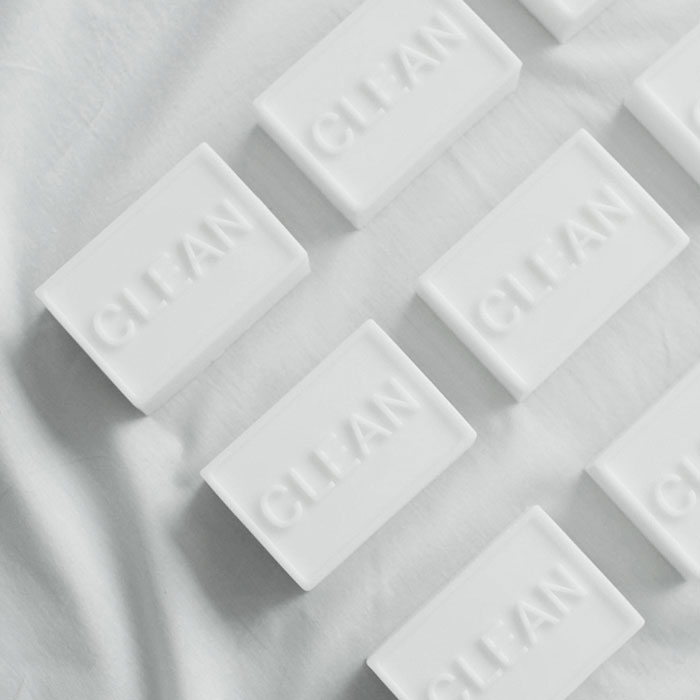
soap base / 2017. summer / with Kyusik Kim(graphic designer @studio Public Graphic)
CLEAN SOAP is one of the cleaning tools with the type inherent in the shape of letters from the word ‘CLEAN’. Hoping that users would enjoy cleaning more with this these tools, we used different forms and materials to create each object, such as broom, dustpan, soap and towel for the occasion of TypoCraft Helsinki to Seoul exhibition in January 2017. In order to continue to communicate with the word ‘CLEAN,’ we made a second version of ‘CLEAN’ with only one material, namely soap, that represents the word directly; also a product that can be used every day.
HABIT & REFLECTION brass basket
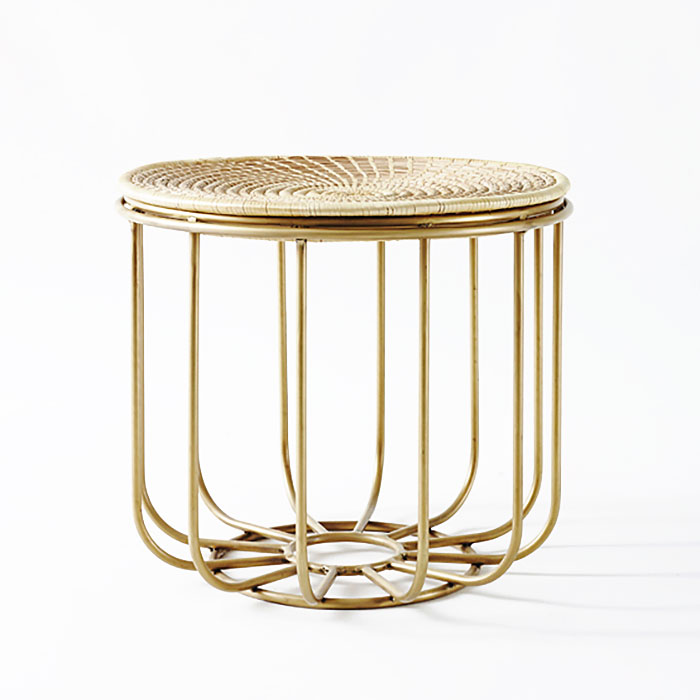
rush, brass / 2013.summer
collaboration with Fiber Weave / Kathmandu, Nepal /studio photos by Jandee Kim
It is natural to get attracted by what is being familiar with and natural to touch one’s mind when you are away from home. This experience eventually led to looking back on myself. I was surprised to see how easily I found myself fitting into a new environment while staying in Nepal for 3months.
The combination of my previous experiences and sensibility to an unfamiliar place became a useful tool to demonstrate my own design language. The natural materials and color tones of Nepal fascinated me to create a series of baskets and rugs. Each object is influencing the others to make a range of works in series.
COLORSCAPE HoiAn mat
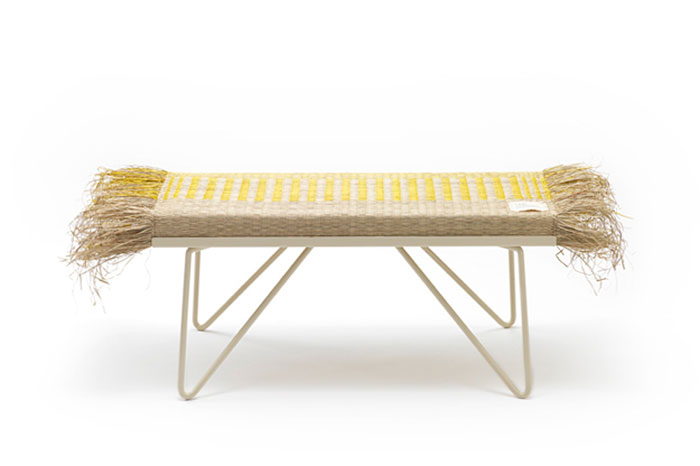
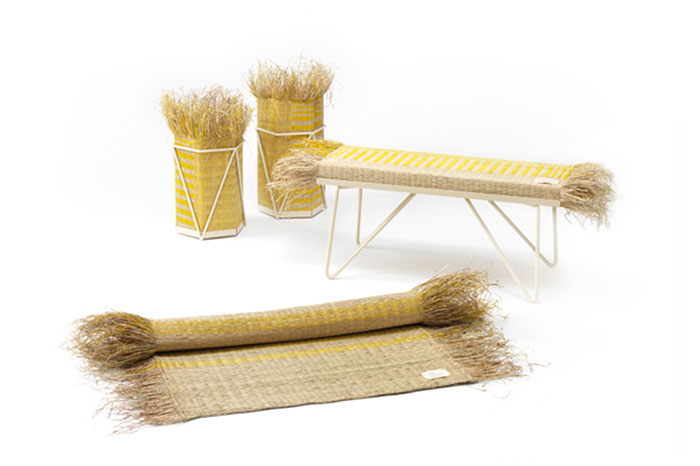
rush, hemp, powder coated metal / 2014.summer
commissioned by Arumjigi Culture Keepers Foundation / collaboration with Nguten Thi Rhung & Tran Thi Trien / studio photos by JongKeun Lee
In the street of old town in Hoi An, Vietnam, lines of electronic poles make different landscapes of shadow from the morning till the night. I was inspired by these changes of the scenery. I translated it into the traditional sleeping mat, which is structured in horizontal lines. Local people have long been using the sleeping mat to cool down the heat during their sleep under the tropical climate condition .
The mat is made out of local material ‘rush’ which grows on the riverside. Two people are teamed up to produce the weaving mat. I aimed to find the possibilities of using the traditional mat in different forms of households. I proposed it could be something put next to the door, such as a side bench, a basket or different size of doormats.
Jungyou Choi works as an independent designer, is interested in trivial daily matters and locality. Recently traveled around India, Nepal, Namibia and Vietnam for a couple of years for projects.
Jungyou Choi