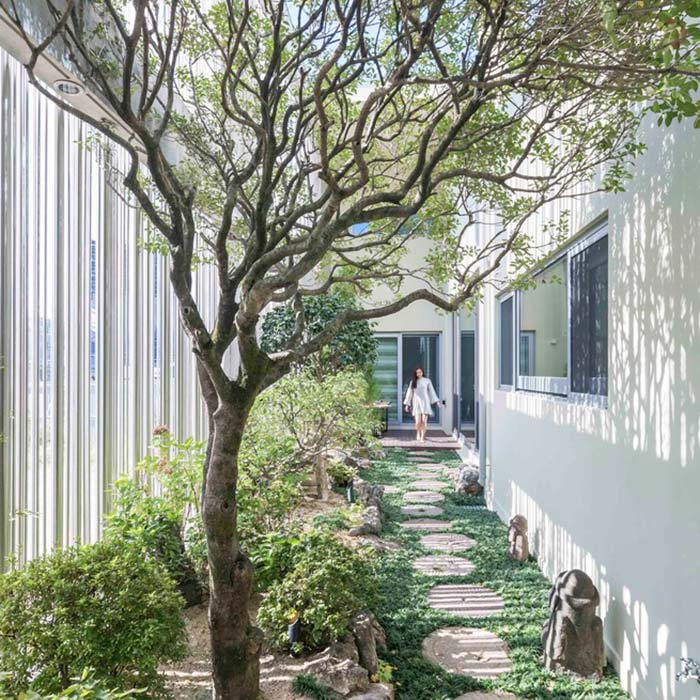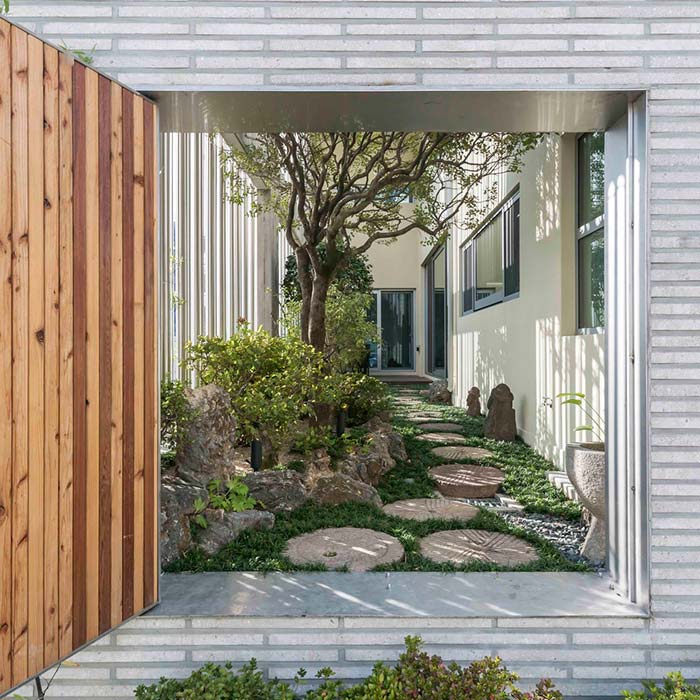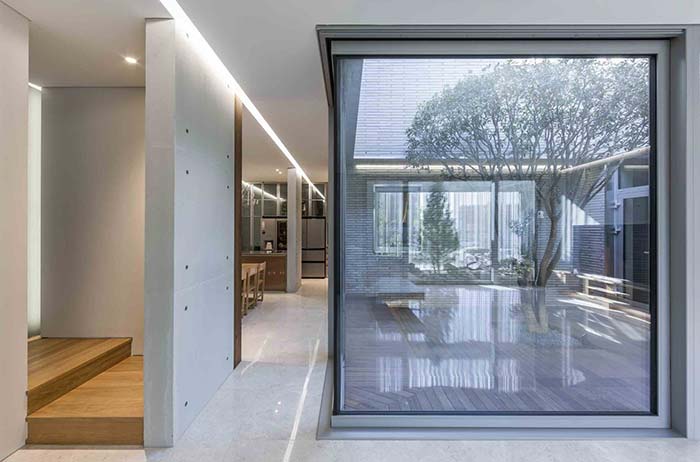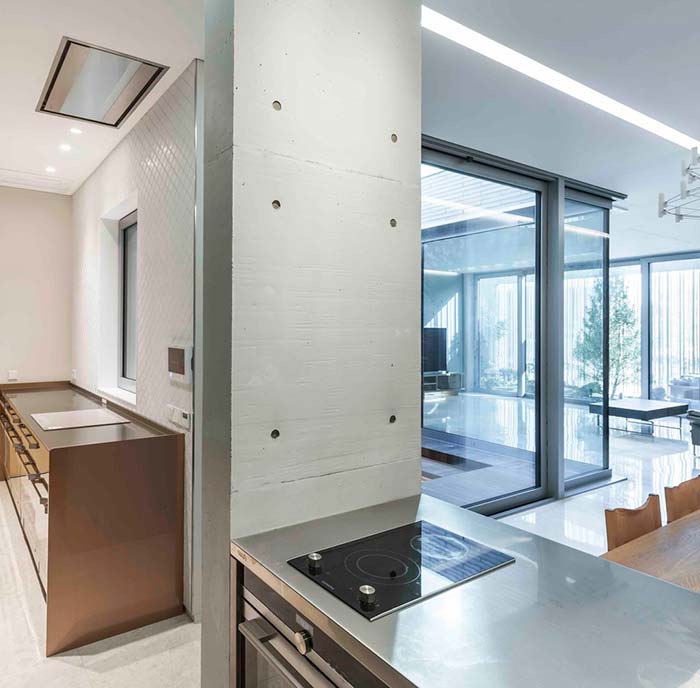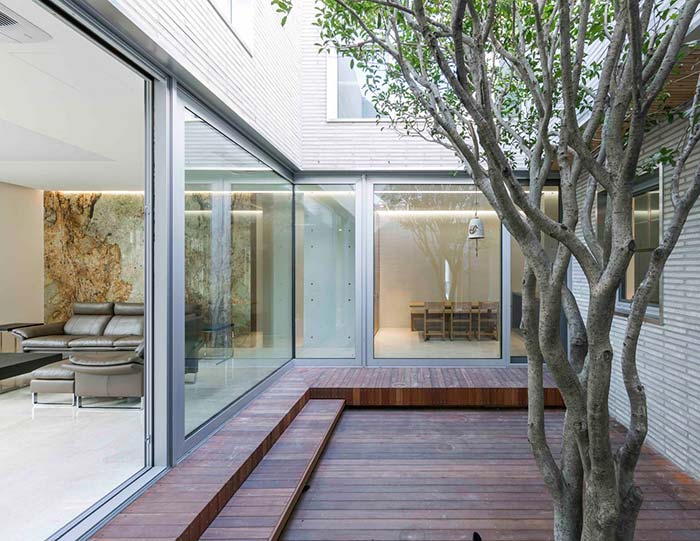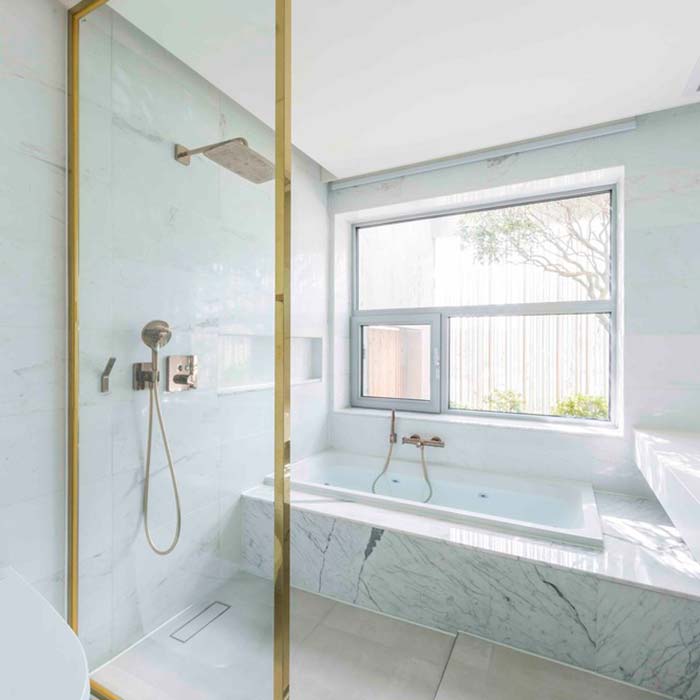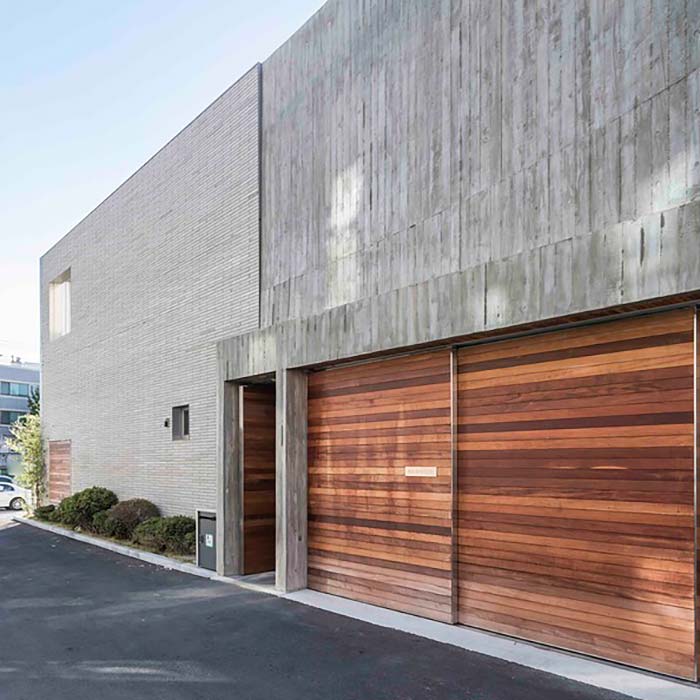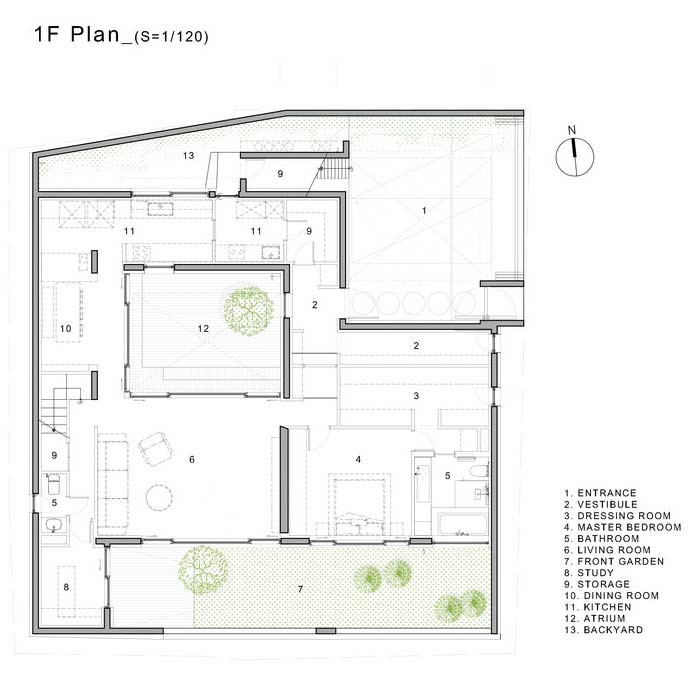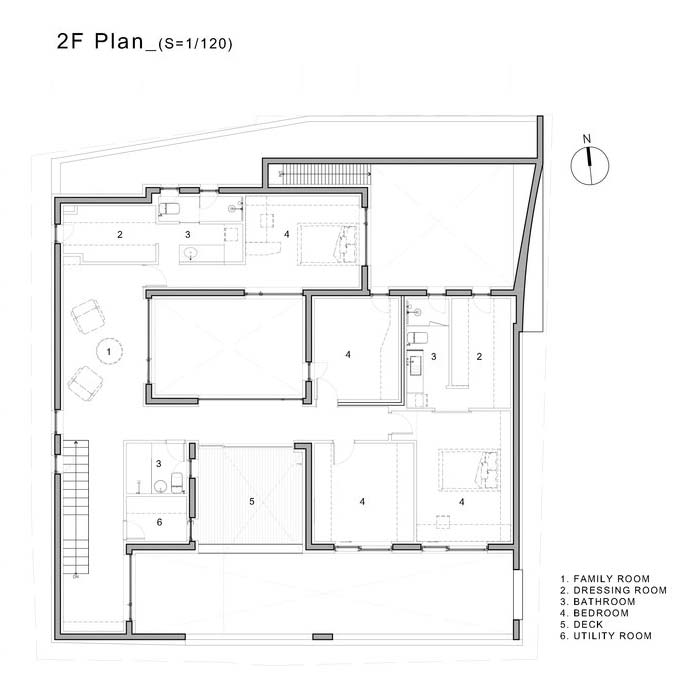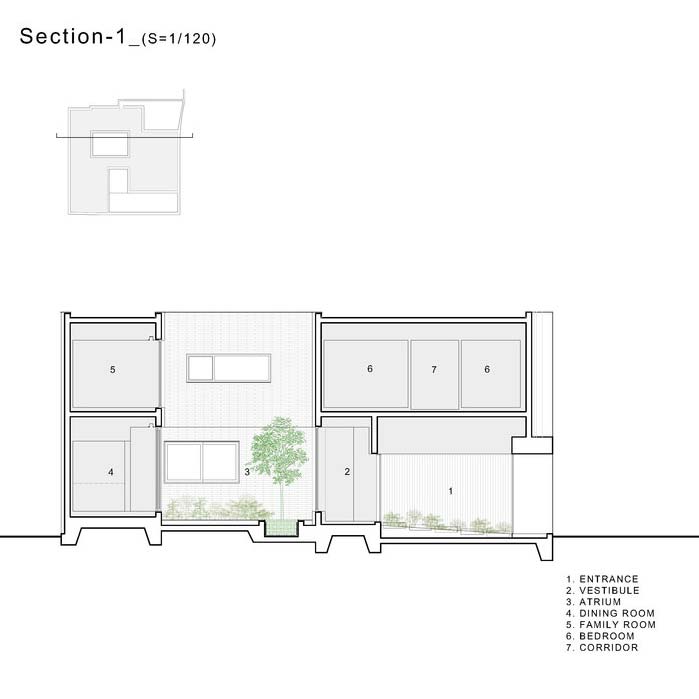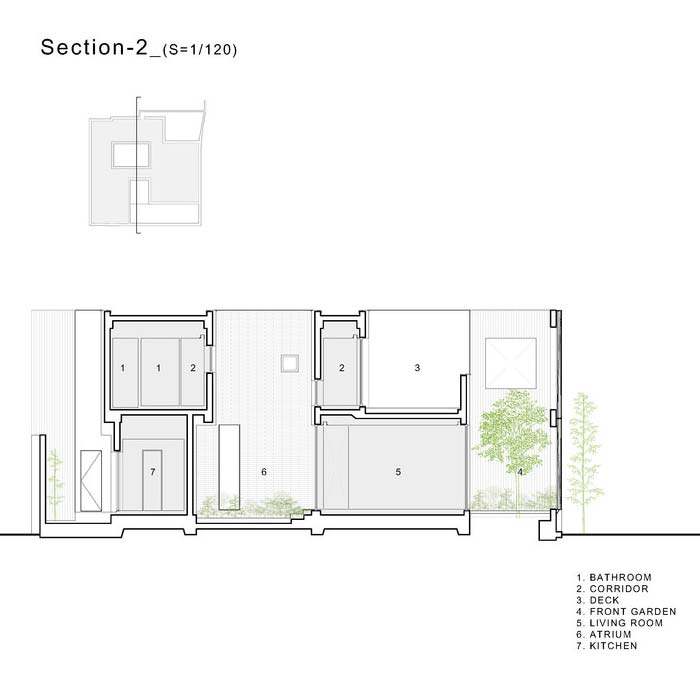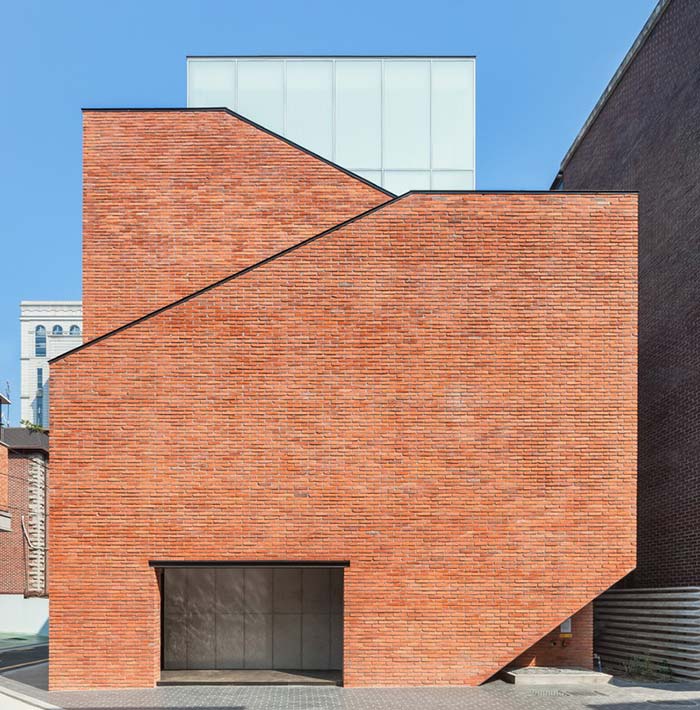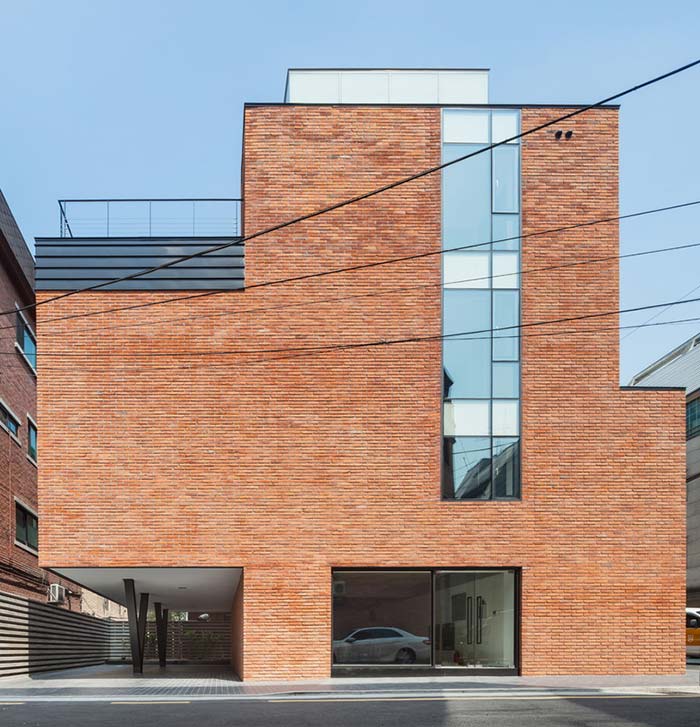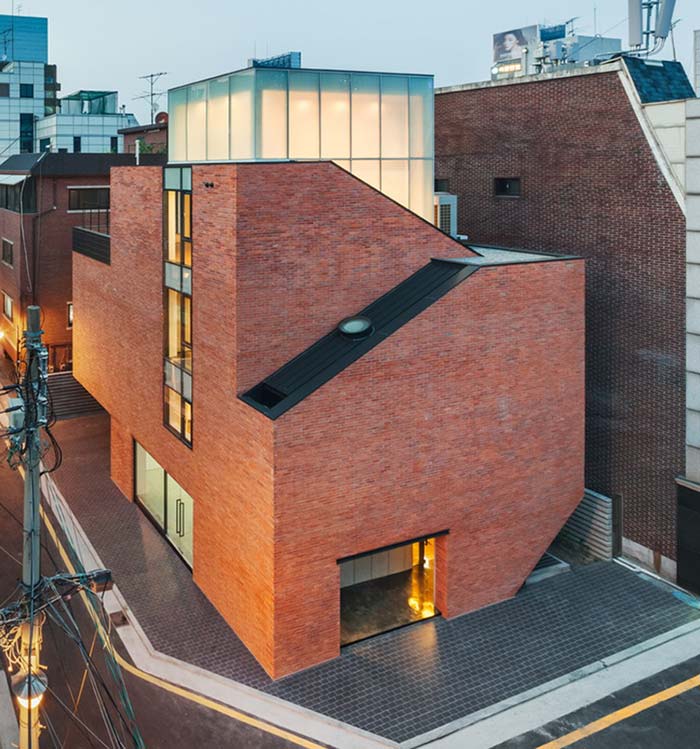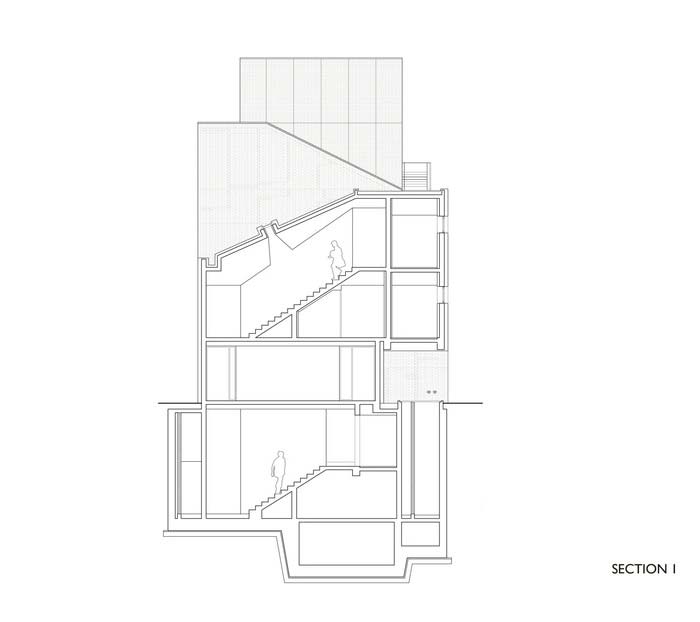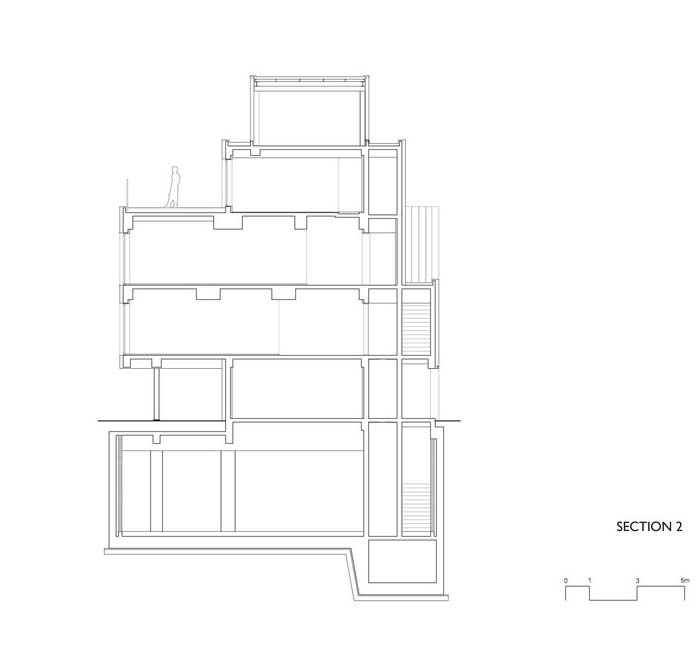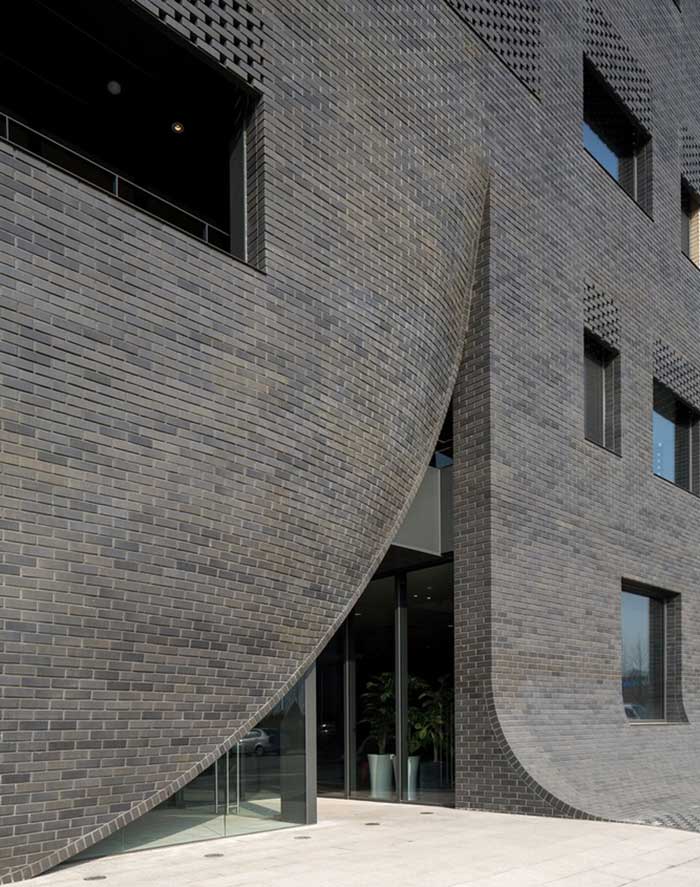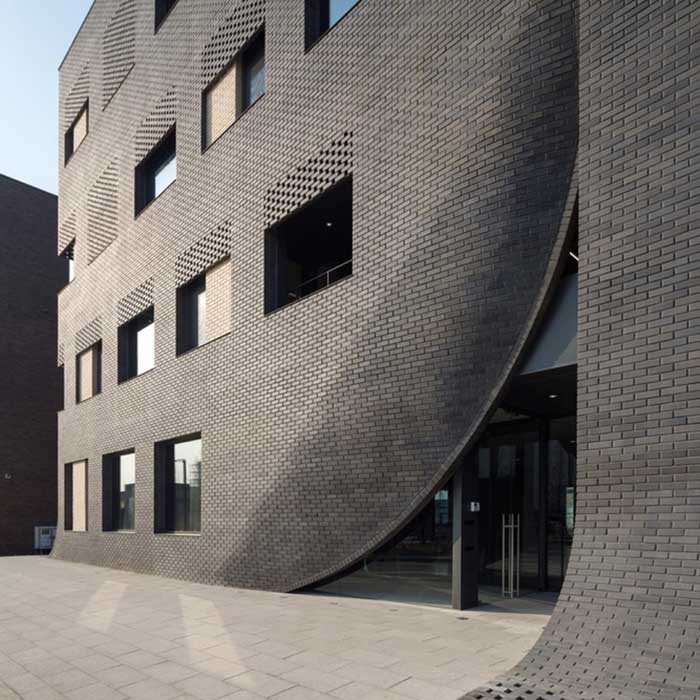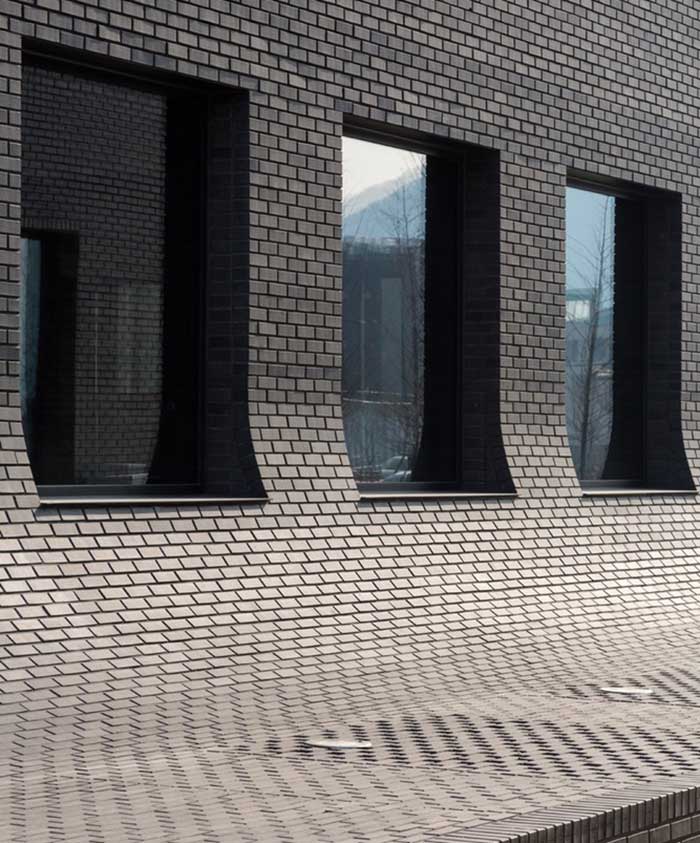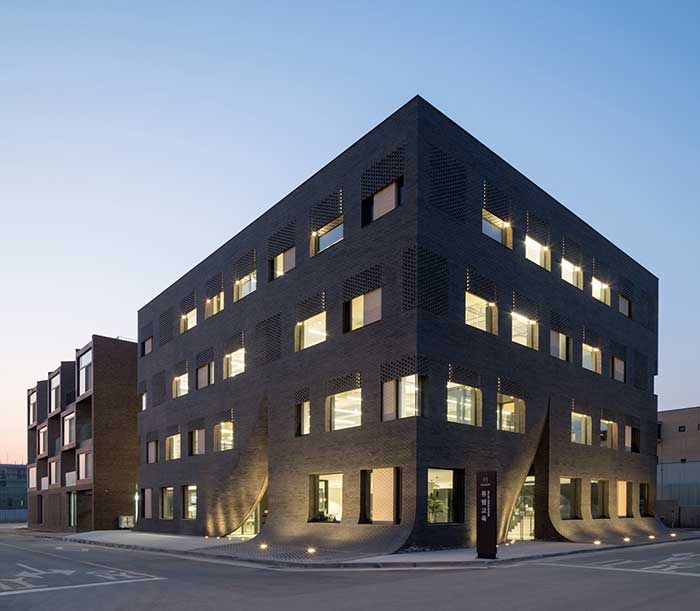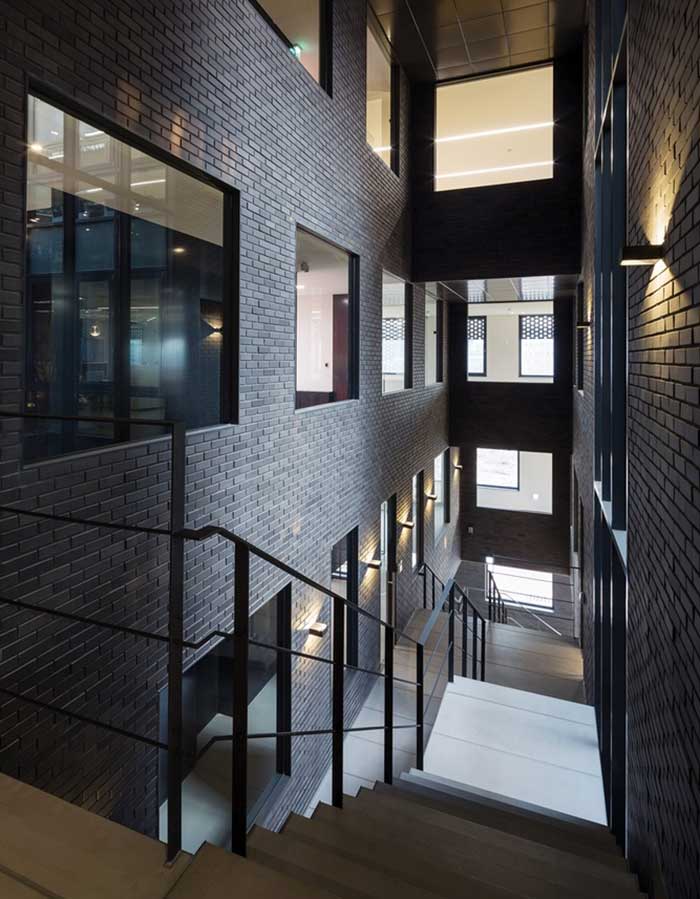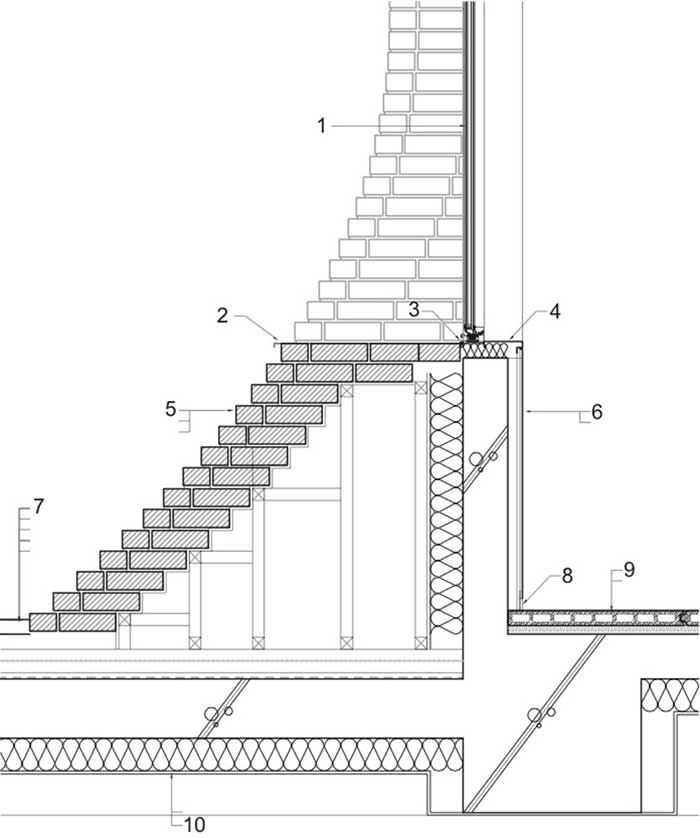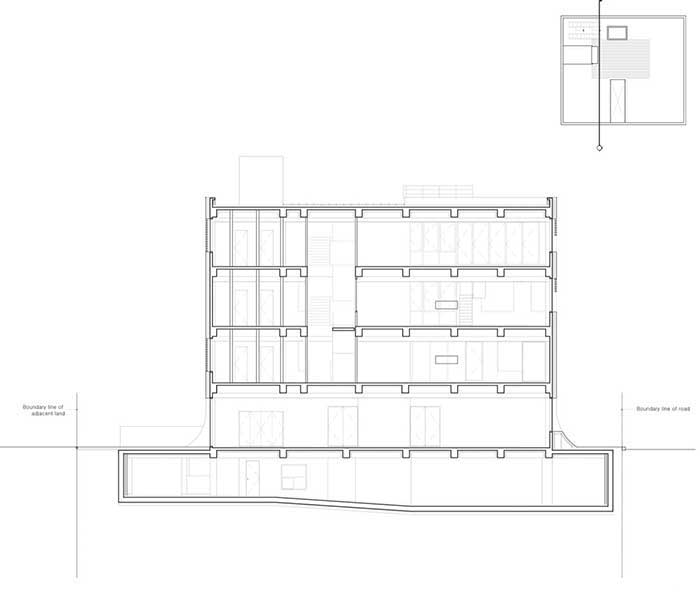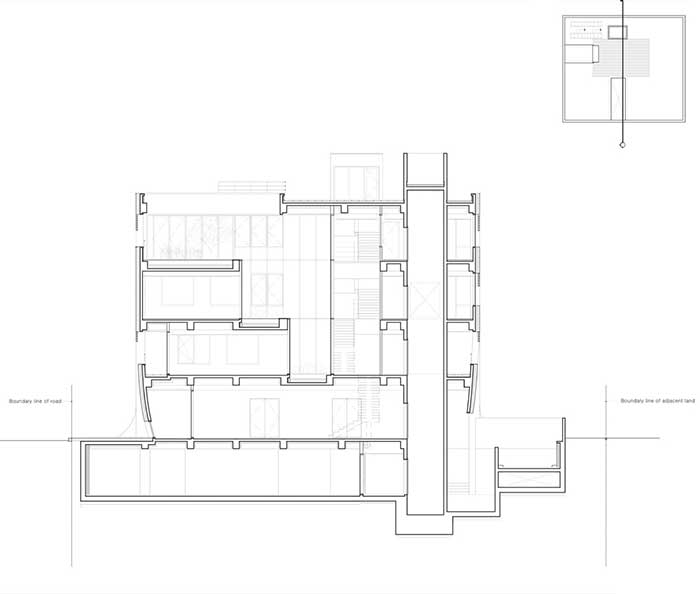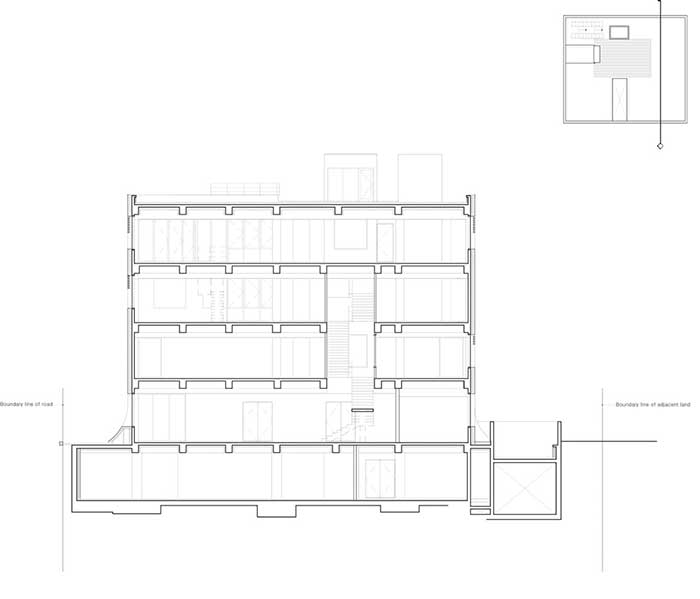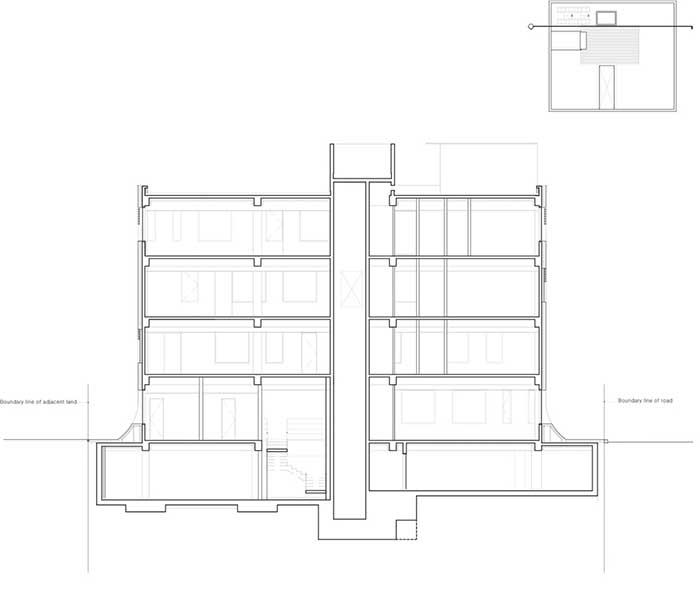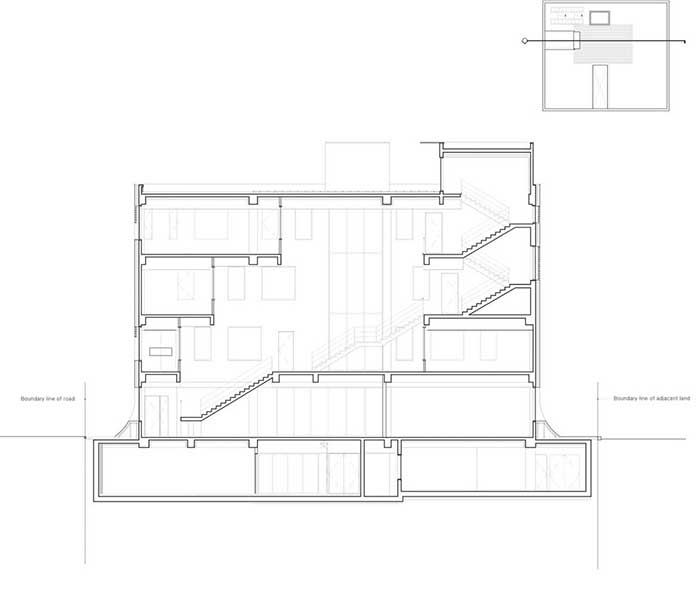
Architects:  Chang Gil Kim, Samjung architect
Location: Hwaseong-si, Gyeonggi-do, Korea
Project : Polarion Square
Client: Polarion
Building Scope : F8, B1
Site Area : 2,314㎡
Site Coverage Area : 1,370.01㎡
Construction : Sehan Construction
Total Floor Area : 6,675㎡
Structure : RC

Polarion Square

The clubhouse at Lake Hills Suncheon is located on a hill in Juam-myeon, Suncheon, Jeollanam-do. It is about a 30 minutes’ drive from the Yeosu Airport and an hour’s drive from Gwangju and overlooks the panoramic scenery. As for its topographical features, the site is surrounded by Mt. Oseongsan to the southeast and commands a magnificent view of the vast ridge to the northwest.


Suncheon, Jeollanam-do, is home of the Seonamsa Temple (AD 529), which was built during the Three Kingdoms period and the Songgwangsa Temple (AD 1197) Suncheon, Jeollanam-do, which was the center of Korean Buddhism in the Goryeo Dynasty. These two structures have a distinct historical value in the architectural history of Korea from the viewpoint of construction techniques and aesthetics. In Suncheon, numerous traditional Korean-style houses have been preserved. In short, the area has a long-standing history and traditional value in terms of architecture.

We set up a goal to take advantage of the local unique characteristics and to create a structure that reflects the intentions of the client and also the traditional Korean architecture. Our intensions were to interpret tectonic elements of the traditional Korean wooden building, while accommodating the club’s complex function into a wooden structure that expresses the Korean architectural beauty. We redefined the architectural elements reflecting Korean traditions rather than reproducing or imitating. This was done in a way that reflects the architectural characteristics and spatial aesthetics of the building and focuses on representing the aesthetics, space perception and sentiments(emotions) of general Korean architecture. In particular, we applied modern construction methods as well as structural improvements in order to utilize the long-span space while reproducing the diagonally curved roofs and the wooden structure of Korean architecture.

For siting, we took into consideration the topography of the golf course facing the northwesterly direction and placed it in the center of the entire lot where cutting and filling are minimized. Also, as for the orientation of the structure, among locations commanding a fair view of the layered mountain ridges, we chose the one that offers the best view as the central axis and secured a vista of the distant ridges and sunset.

The internal circulation from the canopy at the entrance to the lobby, restaurant and the private dining rooms are re-interpretation of the eaves of traditional Korean roofs. It is a wooden structure with the 14m-long span and 12m-high inverted arch. We pursued the structural beauty of traditional Korean architecture, in which the wooden structure itself serves not only as the structure, but also as the interior finishing material. Spaces using water such as the locker rooms, saunas, and bathing area, were built with concrete. The roof is inclined so that it serves as an eco-friendly rooftop green space. Additionally, external light is brought inside the building through the lifted inclined planes.

Depending on the use of the program, the mass of the building can be largely divided into either wooden mass or concrete mass. The feelings of a box-like solid and simple mass, rendered by the concrete and the soft, elegant and warm feeling of the curved wooden structure, are balanced together while creating a juxtaposed tension.

The construction materials were simplified to stainless steel, wood, stone and glass. Only the characteristics and physical properties of the materials are presented and the patterns and shapes are restrained as much as possible. Granite stone, use in traditional Korean architecture, was mainly used. For the wooden structure, the North American Glulam was manufactured in the United States and processed and prefabricated in Japan before it was imported. As for the metal joint system, the BVD hanger joint structural system developed in Germany was used.

Architect: Ken Min Architects
Location: Jeollanam-do, South Korea
Client: Lake Hills Golf & Resorts Group
Project Year: 2008
Photographs: Kim Yong Kwan

Ken Min Architects

The Bujang-Li house is composed of the first floor where the old couple will stay and the second floor for their children visiting them occasionally. The first and second floors are separated so that they should use stairs outside the house. I hoped to make the second floor, which will be used once in a while, like a different house or a neighbor still these are one house.

The impression was strange and dreary at the first when I had visited the site. The old house stood by itself on the field where harvest is done. Houses were scattered sparsely in the large field.


On the second floor, there is only one room and most parts of it are opened to outside as terrace. It is enjoyable to look around the wide field with a open view when standing there. When lying down in the shade of the roof, I can see the sky and feel the wind blowing from all directions. I wish that the place becomes a multi-purpose space for eating meals, taking a nap, drying peppers and having a village party.


The client wanted to change the old soil house which was constructed by himself without a floor plan of it to  a cozy rural house. The only one thing he asked for was to build “a not-cold house” since he has lived in a house that was not insulated at all. I guess that he may expect that a warm house will be built with a red tiled roof and bricks like habit. However, I had second thoughts.

Architects: Oh Jongsang
Location: Chungcheongnam-do, South Korea
Site Area: 1,279 sqm
Area: 135 sqm
Year: 2012
Photographs: Courtesy of Oh Jongsang

After Speculation, Empty Density
Currently occupied by the municipality and destined to become empty within the next few years, the Europoint towers, or Marconi Towers, located in Marconiplein at the fringe of the European port city of Rotterdam, is emblemic of, yet only a fraction of an ever increasing number of vacant office towers in Europe and beyond. In Holland alone, 6.74 million square meters of entirely occupiable work space exists in high-rise towers as of 2011.

Dense Urban Vacuum, Our Tabula Rasa for the New City?
The case of Europoint and similar towers only seem to highlight the irreversible demise of indiscriminate speculation and expansions in the recent history (and near future) of our cities, but the effective infrastructure of readily available, densely linked vertical sites in these distributed urban towers may be the inadvertent but potent apparatus that can redefine the city. Ready to be deployed behind a benign facade of glass panels, each new “slate” liberally stacked in the form of a dense urban vacuum is an underexplored Tabula Rasa of the present, which challenges its own origin and provokes the possibilities of the new city and its new productivities.

(No) Stop Marconi
Engaging the site’s extraordinary history of speculations and uncertain future, (No) Stop Marconi urges for the acknowledgement and discussion on the significance of the underutilized spaces in the city and their repeated and unchallenged reproduction. Bringing forward the endless programmatic potential of density and verticality, the multiple proposals demonstrate prototypical solutions for the new typology of new slates in the existing tower. Deployed throughout the empty towers in the city, the strategies explored in Marconi will afford intensified nodes and networks of activities that encourage the possibilities of the new city (the Slate City?), re-making the city. The circumstances explored in (No) Stop Marconi, although rooted in local politics and specificity of the post-bubble economy, also examines a general condition that contemporary architecture and urbanism operate on, where large shifts and dramatically changing conditions often create a mismatch between the speculative world and the actual. Rather than passively accepting the unquestioned route of standardized solutions, design can play a nimble, mediating, active role in transforming the seeming predicament into a civic opportunity.

N H D M

ECO-POD: PRE-CYCLED MODULAR BIOREACTOR FOR DOWNTOWN CROSSING

Taking advantage of the stalled Filene’s construction site at Downtown Crossing, Eco-Pod is a proposal to immediately stimulate the economy, and the ecology, of downtown Boston. Eco-Pod (Gen1) is a temporary vertical algae bio-reactor and new public Commons, built with custom prefabricated modules. The pods will serve as bio-fuel sources and as micro-incubators for flexible research and development programs. As an open and reconfigurable structure, the voids between pods form a network of vertical public parks/botanical gardens housing unique plant species- a new Uncommon for the Commons.

Micro-algae is one of the most promising bio-fuel crops of today, yielding over thirty times more energy per acre than any other fuel crop. Unlike other crops, algae can grow vertically and on non-arable land, is biodegradable, and may be the only viable method by which we can produce enough automotive fuel to replace the world’s current diesel usage. Algae farming uses sugar and cellulose to create bio-fuels and simultaneously helps reduce Carbon Dioxide emissions, since it replaces CO2 with Oxygen during photosynthesis. While the bio-reactor process is currently in an experimental phase, recent advances in single step algae oil extraction and low energy high efficiency LEDs make the algae bio-reactor an extremely promising prospect on the renewable energy technology horizon.

In addition to being an active bio-reactor and local source of renewable energy, the Eco-Pod is also a research incubator in which scientists can test algae species and methods of fuel extraction, including new techniques of using low energy LED lighting for regulating the algae growth cycles. The central location of the Eco-Pod and the public and visible nature of the research, allows the public to experience the algae growth and energy production processes. As a productive botanical garden, it also functions as a pilot project, a public information center and catalyst for ecological awareness.

An on-site robotic armature (powered by the algae bio-fuel) is designed to reconfigure the modules to maximize algae growth conditions and to accommodate evolving spatial and programmatic conditions in real-time. The reconfigurable modular units allow the structure to transform to meet changing programmatic and economic needs, while the continuous construction on the site will broadcast a subtle semaphore of constructional activity and economic recovery. This is anticipatory architecture, capable of generating a new micro-urbanism that is local, agile, and carbon net positive.

This proposal envisions the immediate deployment of a “crane ready” modular temporary structure to house experimental and research based programs. Once funding is in place for the original architectural proposal, the modules can be easily disassembled and redistributed to various neighborhoods around Boston, infilling other empty sites, testing new proposals, and developing initiatives with other communities. Designed with flexibility and reconfigurability in mind, the modularity of the units anticipates future deployments on other sites. An instant architecture, designed with an intention towards its afterlife(s), this is a pre-cycled architecture. In our ongoing, synergistic scenario, the growth of the algae propels, and is propelled by, technologically-enabled developments that literally and metaphorically “grow the economy.”

Höweler + Yoon Architecture is a multidisciplinary practice specializing in the integration of architecture, new technologies and public space. Their work has been widely published, exhibited, and awarded. Their recent books include: Expanded Practice, a monograph published by Princeton Architectural Press; and Public Works: Unsolicited Small Projects for the Big Dig published by Map Books. Eric Höweler is a Design Critic in Architecture at Harvard Design School. Meejin Yoon is an Associate Professor in the Department of Architecture at the Massachusetts Institute of Technology.
Squared is a digital design laboratory producing work across the fields of architecture, industrial design, online interactivity, and film. Among a variety of projects, they have been serving as design and visualization consultants for the National September 11 Memorial & Museum in New York City since 2003. Co-founders Josh Barandon and Franco Vairani graduated from the Massachusetts Institute of Technology with degrees in Architecture, Design, and Computation.

Architectural Design 2009 Boston, MAUnited States The Boston Globe

Höweler + Yoon Architecture


BAU BAU 2008 - 2011 Switzerland

Lee Dong-joon tried innovative methods in architecture while working with his partner Melanie Stocker in Switzerland. The Korean-born architect has sought to balance the unique characteristics of local communities with universality and achieved top quality and exceptional design in several projects in Switzerland.


Land in the southern Ticino region of Switzerland, length 90m, width 15m unusual appearance of the long, narrow, many of these areas unsuitable for construction exterior has been. Border and the outer wall from a distance of 4.5m per second, the available interior space was not only about about 5m.

Unusual conditions provoked interesting and challenging our consciousness. Lying on the grass carpet of the long and narrow buildings around the house and vineyards are lined up. Rather, this esoteric environment, the architect's creative instincts awakening is an important factor. The most obvious feature of this building is in the selection of materials.


Tube type of building architecturally exposed concrete reasons to increase the aesthetic value and the inner wall of the outer wall by a rhythm section composed of titanium Width 50cm sheath are covered with zinc. Corner of surfacing was selected to increase the continuity of the surface. Other horizontal surface using bronze aluminum windows. Handle indoor white oil oak floor is a pale blue-gray light colored mineral pigments to the interior of exposed concrete and harmony will be considered.


The building is similar to the two apartments facing structure consists 4th floor atrium and guest room on the first floor, second floor, the third floor in the kitchen and dining room, and living room, all bedrooms studio and terrace is located up the stairs, and all this space to provide visual continuity of the building in the space configuration, usually of a typical housing and we did not have a choice.

Space that is often used in conjunction with the whole family, the small mountain views from the highest point of the Genesee 1700m above sea level, while increasing the mining rate be able to enjoy throughout the seasons. Way and emphasizes interior space and high and narrow for efficient use of the indoor and outdoor vertical space visually connected.


Lee Dong - joon _ Stocker Lee Architects 1971 Born in Seoul. For two years from 1995 trip to Japan, Italy, the United Kingdom and the world of architecture, language, mathematics, and birds encountered. USI, enrolled at the Accademia di architettura 1997, majored in architecture, graduating in 2002 (Master of architectur, Bachelor + Master). Graduating as a professor at his alma mater at the same time (USI, Accademia di architettura), was appointed as a freelance architect Mario Botta (Switzerland), Antonio Citterio (Italy), Aurelio Galfetti (Switzerland), along with construction and design work in parallel. 2006 studio Stocker Lee Architects, founded by vigorous work activity, and this year was awarded the 'Young Architects virtual '2012


Melanie Stocker Stocker Lee Architects 1976, Born in Switzerland. ETH Zurich's Federal University and USI, was an architecture student at the Accademia di architettura 2004, graduated (Master of architectur, Bachelor + Master). 2006 studio Stocker Lee Architects, founded by architect Peter Zumthor (Switzerland) was a hands-on experience in the studio, showing active work activities unfold. Stocker Lee Architects of the major task of RTSI Lugano, Switzerland (Konferens Lens Hall and is located in the restaurant), and Tre Mona Ishi (one-family homes), Switzerland jeneseu Tre Rio Sottobosco (wine factory).

Gwell Tower: Eroded Matrix - Seoul

This 15-story office tower with 10,200㎡ of floor area functions as a tower prototype in an urban environment where a row of towers faces a wide main street and pedestrian traffic on one side and low-density, low-rise residential urban fabric on the other side, a contrasting urban condition that is quite common in Asian metropolises.


On the southern side where the tower confronts low-rise, small-scale urban fabric, it mimics this spatial quality on its façade as if this horizontal urban fabric had been turned vertical and become tower. As a result, each office unit has an outdoor space, creating a unique “eroded” appearance in an otherwise very simple glass curtain wall tower.


A variety of trees will be planted in the 32 outdoor gardens, giving each its own characteristic. Together, the individual gardens will create the effect of a larger vertical garden 65 meters tall climbing the building.


The northern side of the building facing the main road is mainly composed of bold vertical stripes revealing vertical movements within the building, such as viewing elevators, the stairs, mechanicals shafts and electronic signage to reflect contrasting urban scale and speed.


Project : Gwell Tower: Eroded Matrix
Design Period : 2005.7 – 2006.1
Construction Period : 2006.2 – 2008.10
Type : Office
Location : Seoul, Korea
Site Area : 1082.2 ㎡
Site Coverage Area : 510.2 ㎡
Total Floor Area : 10278.8 ㎡
Building-to-Land Ratio : 59.99%
Floor Area Ratio : 799.76%
Building Scope : 15F, B5
Structure : RC
Finish : Curtain Wall
Architects : Mass Studies
Minsuk Cho, Kisu Park, Joungwon Lee, Weekyun Yoo, Hyunjung Kim, Jongseo Kim, Joonhee Lee, Taehoon Hwang, Wonjin Kim, Daewoong Kim, Dongchul Yang, Bumhyun Chun, Bumhee Han, Jieun Lee, Jisoo Kim

Structural Engineer : TEO Structure
MEP Engineer : HANA Consulting & Engineers
Civil Engineer : CG E & C
Construction : Shin Young Dongsung
Client : Shin Young Dongsung

Mass Studies


ⓒ copyrights 2003-2013 Designersparty, all rights reserved. all material published remains the exclusive copyright of Designersparty.